Coffee Milk Bread Buns
with Brown Sugar Cinnamon Filling and Coffee Glaze
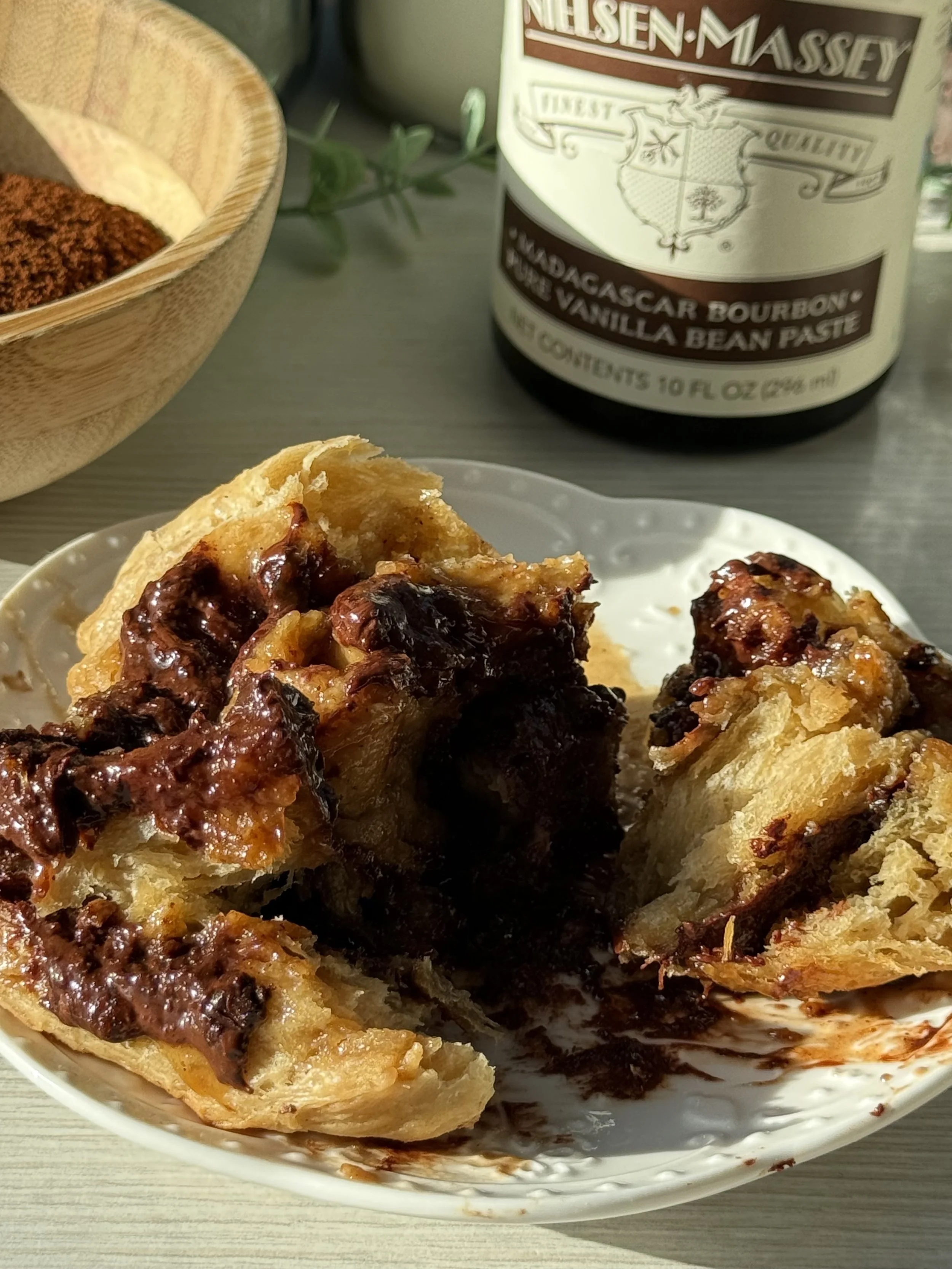
A coffee forward Japanese milk bread bun with brown sugar and cinnamon as supporting notes rather than the star.
Espresso powder dissolved into the warm milk infuses coffee flavor throughout the entire dough. The brown sugar
cinnamon espresso filling caramelizes into a glossy coffee swirl during baking. The clean coffee glaze hits you first —
sharp, aromatic and unmistakable. Brown sugar adds depth. Cinnamon adds warmth. Coffee is the whole point.
The flavor layering: coffee glaze first — sharp and aromatic. Coffee brown sugar filling through the swirl— caramelized and deep. The dough itself — subtle coffee warmth throughout. Three layers of coffee, none of them fighting each other.
Why You Will Love These
Three layers of coffee — Espresso in the dough, espresso in the filling, espresso in the glaze. None of them fight each other. The coffee builds from a background warmth in the dough to caramelised depth in the filling to a sharp clean hit in the glaze.
The Japanese milk bread base — The tangzhong — a cooked flour and milk paste added to the dough — is the secret to an extraordinarily soft pillowy crumb that stays fresh for days longer than a standard enriched dough.
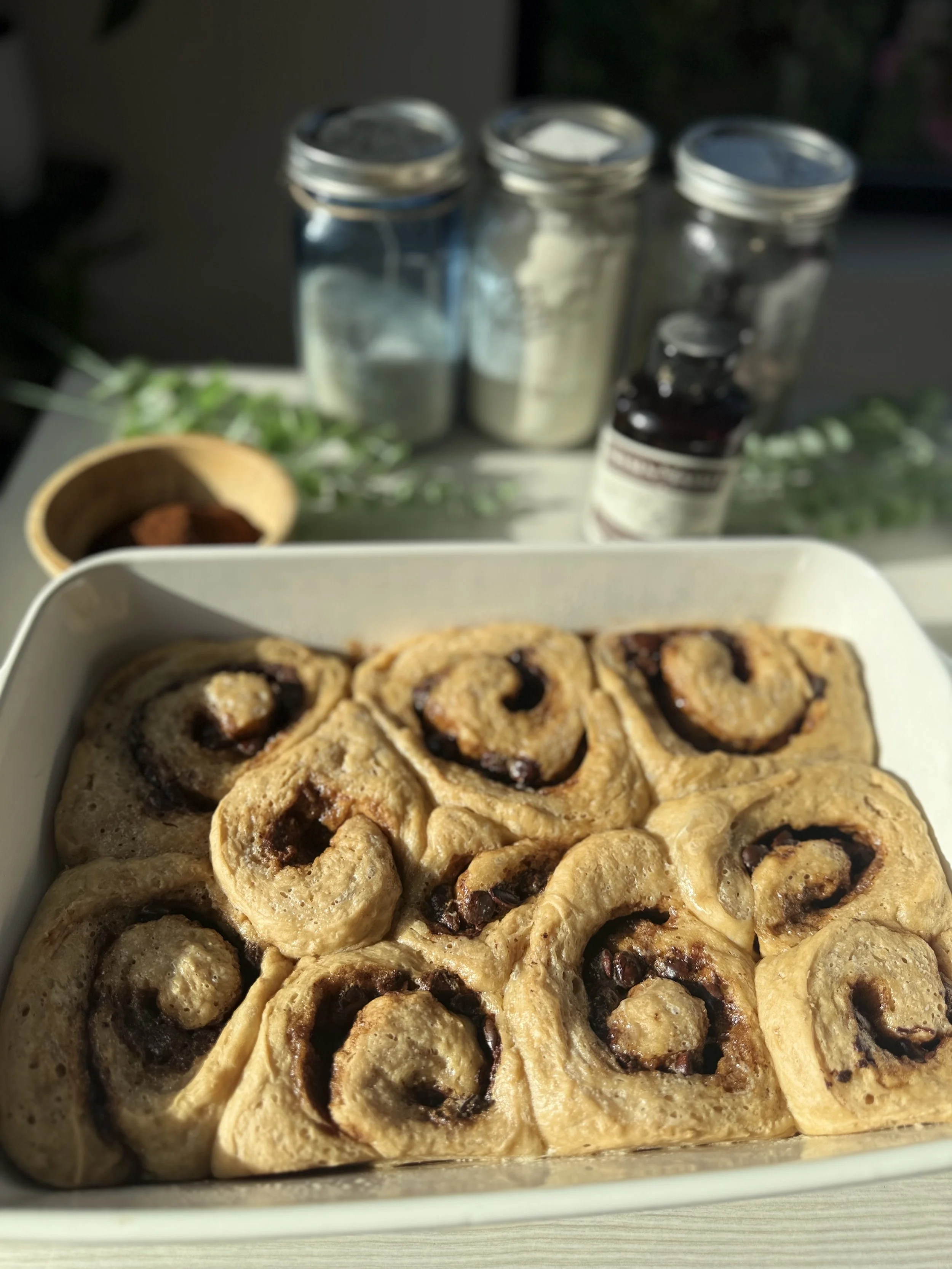
The heavy cream before baking — Three tablespoons of warm heavy cream poured over the proofed buns right before they go in the oven. This is the step that gives you soft pillowy sticky golden edges. It sounds small. It makes a significant difference.
The brown sugar cinnamon filling — Espresso powder and dark brown sugar mixed together taste like caramelized coffee. Cinnamon adds warmth without competing. The filling swirls through every layer of the bun and caramelizes slightly during baking.
The clean coffee glaze — No cream cheese, no heavy dairy. Just powdered sugar, espresso and a pinch of salt. Sharp, aromatic and sets with a slight sheen against the golden bun.
Make ahead friendly — Shape the buns the night before, refrigerate, wake up and bake. All the hard work is done the night before.
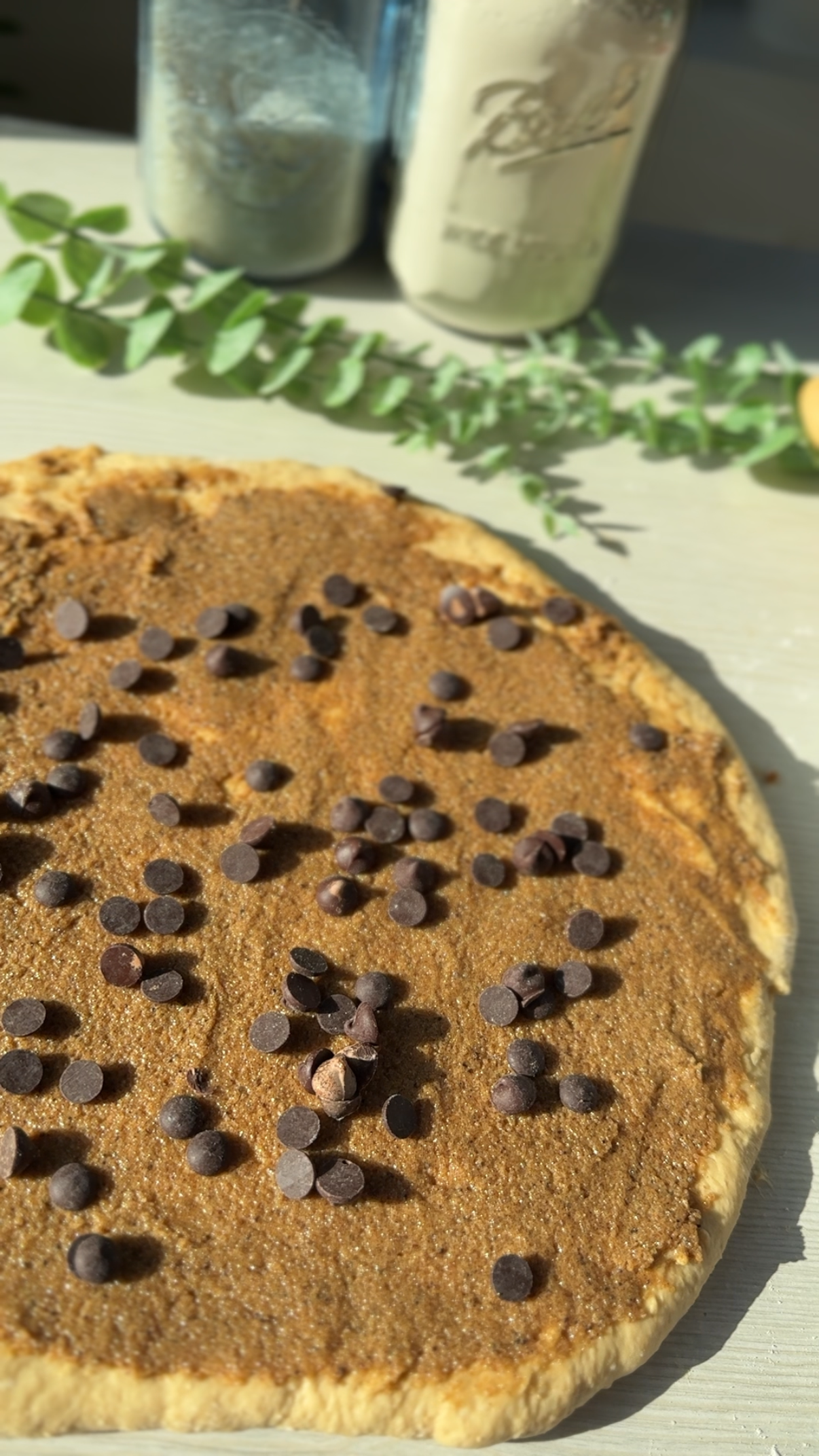
Instant espresso powder: The most important ingredient in this recipe. It goes into the dough, the filling and the glaze. Do not substitute with brewed coffee in the dough — it adds too much liquid. Instant espresso powder dissolves cleanly and gives you pure concentrated coffee flavour with no extra moisture.
Dark brown sugar: The molasses in dark brown sugar pairs beautifully with the bitterness of the espresso. Together they taste like caramelised coffee. Do not use light brown sugar — it does not have the same depth.
Ingredients You Need
Tangzhong: A cooked paste of flour and milk made in 4 minutes on the stove. It is the secret to Japanese milk bread's extraordinary softness. Do not skip it.
Heavy cream: Just 3–4 tablespoons poured over the shaped proofed buns right before baking. It creates soft pillowy sticky golden edges. This technique comes from tested enriched bun recipes and it works.
Greek yogurt: Added to the dough for acidity and moisture retention. Keeps the buns soft longer without adding richness that would compete with the coffee.
Tips for Perfect Buns Every Time
• Dissolve the espresso powder in the warm milk before adding to the dough — this ensures even coffee flavour in every bite rather than pockets of concentrated espresso.
• Let the dough rest for 5 minutes after initial mixing before kneading — this allows the flour to fully absorb the liquid and makes kneading significantly easier.
• The dough will be sticky throughout — this is correct. The tangzhong makes it sticky. Do not add flour. Sticky is right.
• Use the slap and fold kneading method — pick the dough up, slap it down firmly, stretch it away from you, fold it back. Builds gluten faster than regular kneading.
• The filling must be cold before spreading — soft filling makes the dough slippery and impossible to roll cleanly. Refrigerate it for at least 30 minutes before using.
• Pour the warm heavy cream over the buns right before they go in the oven — not before proofing, not after baking. Right before.
• Bake at 350°F for 15 minutes then increase to 375°F for a final 5 minutes — this ensures the buns cook through without getting too dark on top.
Order of Operations
Make the tangzhong and filling ahead. Everything else can be same day or overnight.
1. Make the tangzhong. Cool completely.
2. Make the brown sugar cinnamon coffee filling. Refrigerate until cold and firm.
3. Dissolve espresso powder in warm milk. Make the dough. Rest 5 minutes. Knead.
4. First rise 1–1.5 hours until doubled.
5. Same day: shape immediately. Overnight: refrigerate after first rise.
6. Roll, fill, roll into log, cut 8 buns.
7. Proof 1.5–2 hours or refrigerate overnight after shaping.
8. Pour warm heavy cream over proofed buns. Bake 350°F 15 mins then 375°F 5 mins.
9. Make the coffee glaze while the buns are in the oven.
10. Rest 10 minutes. Glaze. Enjoy!
Part One — The Tangzhong
The tangzhong is what makes these buns extraordinarily soft. 4 minutes on the stove. Do not skip it.
The tangzhong makes the dough sticky — this is correct and normal. Do not add flour to compensate.
Ingredients
• 25g bread flour
• 125ml whole milk
Method
1. Whisk together the bread flour and milk in a small saucepan until smooth.
2. Cook over medium-low heat stirring constantly until it thickens to a pudding-like paste that leaves clean lines when you drag a spatula through — about 3–4 minutes.
3. Press plastic wrap directly onto the surface. Cool completely before using.
Part Two — The Brown Sugar Cinnamon Coffee Filling
The espresso powder and dark brown sugar together taste like caramelized coffee. This is the dominant flavor inside the swirl. Make ahead and refrigerate — cold filling spreads more cleanly.
Ingredients
• 3 tbsp unsalted butter, softened to room temperature
• ¼ cup (50g) dark brown sugar, packed
• 1.5 tsp instant espresso powder
• 1 tsp ground cinnamon — supporting note, not dominant
• Pinch of fine sea salt
Method
1. Mix all ingredients together until a smooth spreadable paste forms.
2. Refrigerate until cold and firm — minimum 30 minutes. Cold filling spreads more cleanly and does not bleed into the dough.
Notes
— The espresso and dark brown sugar together create a caramelised coffee flavour — this is the star of the filling.
— Cinnamon adds warmth without taking over — do not increase it or it will compete with the coffee.
— Cold and firm filling is essential — soft filling makes the dough slippery and hard to roll cleanly.
Part Three — The Coffee Milk Bread Dough
Ingredients
• 350g bread flour
• 7g instant yeast — one standard packet
• 40g granulated sugar
• 6g fine sea salt
• 2 tsp instant espresso powder — dissolved in the warm milk before adding to dough
• 1 large egg, room temperature
• 120ml whole milk, warm — with the espresso powder dissolved in it
• 3 tbsp Fage 0% Greek yogurt, room temperature
• All of the tangzhong — from Part One
• 60g unsalted butter, softened to room temperature
Egg Wash
• 1 large egg
• 1 tbsp whole milk
Before Baking
• 3–4 tbsp heavy cream, warmed — poured over proofed buns right before baking
Method
1. Dissolve the instant espresso powder in the warm milk and stir until fully combined. The milk will turn a light caramel colour. This is your coffee milk.
2. Whisk together the bread flour, yeast, sugar and salt in a large bowl.
3. Add the egg, coffee milk, Greek yogurt and all of the tangzhong. Mix until a shaggy dough forms.
4. Let the dough rest for 5 minutes covered. This allows the flour to fully absorb the liquid and makes kneading significantly easier. Do not skip this step.
5. Knead using the slap and fold method — pick the dough up, slap it down firmly, stretch it away from you, fold it back. Repeat rhythmically for 6–8 minutes. The dough will be sticky — this is correct. Do not add flour.
6. Add the softened butter piece by piece, kneading each addition in fully before adding the next — about 5 minutes. The dough will go through a slippery stage then suddenly come together smooth, soft and slightly tacky.
7. Continue kneading for another 5 minutes until smooth and elastic. Test the windowpane — stretch a small piece slowly. If it holds thin and translucent without tearing you are done. If it tears knead in 2 minute bursts with 3 minute rests between.
8. Transfer to a lightly oiled bowl. Cover and rise at room temperature 1–1.5 hours until doubled.
Notes
— Dissolving the espresso in the warm milk before adding to the dough ensures even coffee flavour distribution throughout every bite.
— The dough will have a very subtle coffee colour when raw — this deepens as it bakes to a beautiful deep golden.
— Sticky dough is correct — the tangzhong makes it sticky. Do not add flour.
— If the dough still tears after 20 minutes of kneading with rests — refrigerate overnight. Cold fermentation continues developing gluten.
Part Four — Shaping, Proofing and Baking
Shaping
1. On a lightly floured surface roll the cold dough into a rectangle approximately 40cm x 30cm, about 8mm thick. Work quickly — if the dough warms up and starts sticking refrigerate for 15 minutes before continuing.
2. Spread the cold brown sugar cinnamon coffee filling evenly leaving a 2cm border on all sides and a wider border on the far long edge.
3. Starting from the long edge closest to you roll tightly into a log. Press the far border firmly to seal.
4. Cut into 8 equal pieces using a sharp knife or unflavored dental floss.
5. Place cut side up in a lined baking dish or parchment lined tray with space between each bun.
Proofing
Cover loosely and proof at room temperature 1.5–2 hours until very puffy and jiggly when the tray is gently shaken. Do not rush — under-proofed buns will be dense and the layers will not open up beautifully.
Baking
Warm heavy cream poured over the buns right before baking is the secret to soft pillowy sticky golden edges. Do not skip it.
1. Preheat oven to 350°F (175°C).
2. Whisk egg and milk for the egg wash. Brush over the buns very gently — do not press down.
3. Pour 3–4 tbsp warm heavy cream evenly over the proofed buns right before they go in the oven.
4. Bake at 350°F for 15 minutes then increase to 375°F for a final 5 minutes.
5. The buns are done when the tops are deeply golden and the internal temperature reaches 190°F.
6. Rest 10 minutes before glazing.
Part Five — The Coffee Glaze
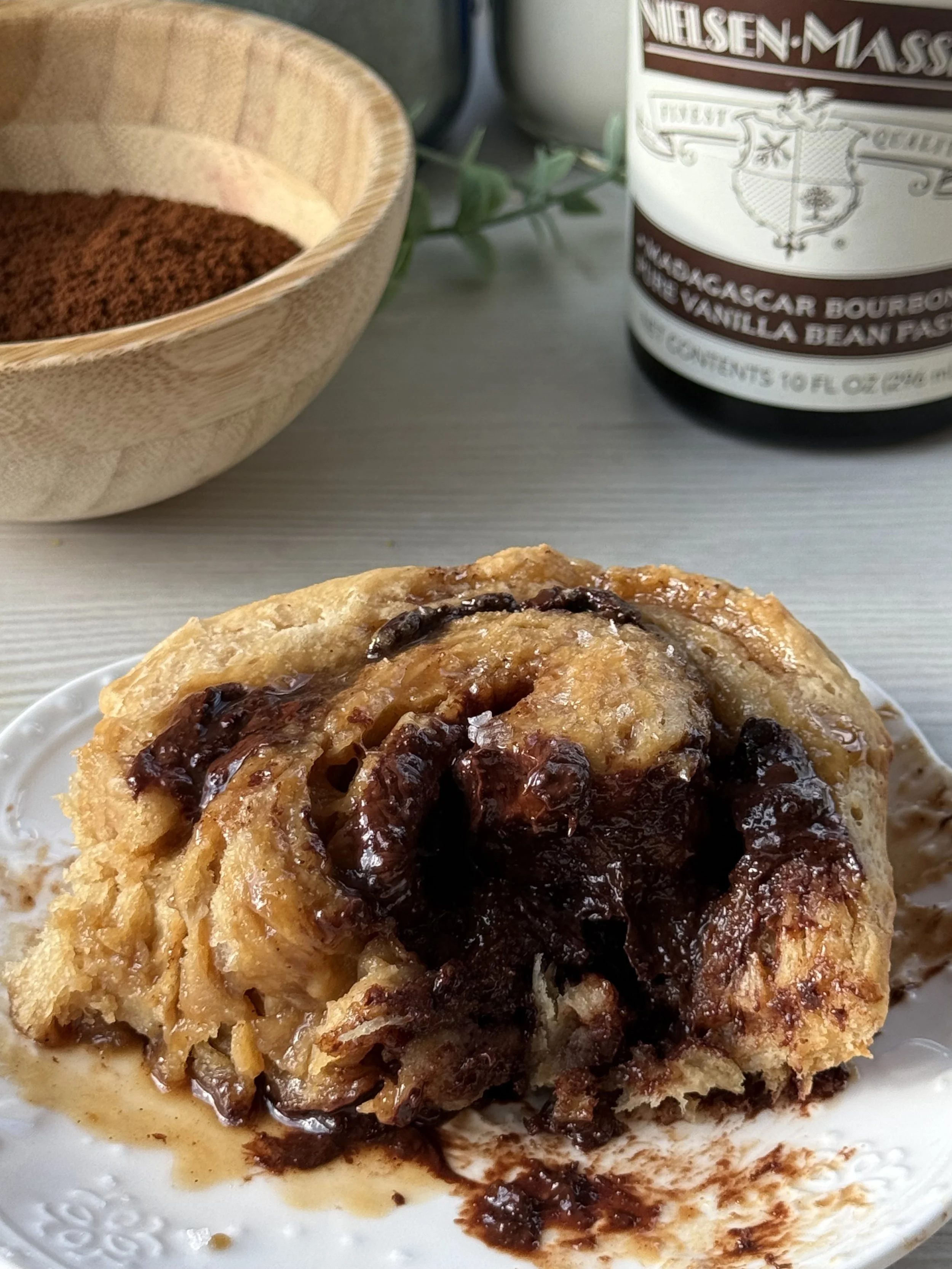
Make while the buns are in the oven. Sharp, aromatic and clean. This is where the coffee hits you first.
Ingredients
• 1 cup (120g) powdered sugar, sifted
• 1.5 tsp instant espresso powder dissolved in 2 tbsp hot water — cooled slightly
• Pinch of fine sea salt
• ¼ tsp vanilla extract
Method
1. Whisk together the powdered sugar, coffee, salt and vanilla until completely smooth and glossy.
2. The glaze should fall off a spoon in a slow steady ribbon — thick enough to coat but thin enough to drizzle. Add more espresso if too thick, more powdered sugar if too thin.
3. Drizzle generously over the warm buns immediately after the 10 minute rest. The glaze will set slightly as the buns cool.
Notes
— Make the glaze stronger than you think you need — the sweetness of the powdered sugar mutes the coffee slightly.
— The salt is essential — it amplifies the coffee flavour and cuts through the sweetness.
— The glaze sets with a slight sheen — beautiful against the golden bun.
Overnight Options
This recipe works beautifully either same day or made ahead overnight. Two options — both produce better flavour and make shaping significantly easier because cold dough is less sticky and more manageable.
Option A — Refrigerate after the first rise: After the dough has doubled punch it down, cover tightly and refrigerate overnight. The next morning take it out, let it rest on the counter for 20 minutes, then roll, fill and shape. Proof at room temperature for 1.5–2 hours until very puffy, pour the warm heavy cream over and bake as directed.
Option B — Refrigerate after shaping (recommended): Shape the buns and cut them, place them cut side up in your lined baking dish, cover tightly with cling film and refrigerate overnight instead of doing the second proof. The next morning take them out and let them rest and proof at room temperature for 45–60 minutes until puffy. Pour the warm heavy cream over and bake as directed. This is the recommended option — all the hard work is done the night before and you wake up to buns that just need to proof and bake.
Storage
These buns are best eaten the day they are made. Store any leftovers in an airtight container at room temperature for up to 2 days — microwave for 20 seconds to refresh before eating. Do not store in the refrigerator as the cold makes enriched dough tough and dry. To freeze wrap the baked buns individually and store for up to 2 months. Thaw at room temperature when ready to eat. 🤍
Happiness is Homemade · saveurbyv.com
